
Practical AI, Deconstructed.
Curated by musen (@musen9527) · Verified Primary Sources · Deep & Actionable
Deconstructing Epic Games' RAD Debugger: Shattering Compile-Debug Bottlenecks with Custom RDI and Extreme Linkers
Epic Games' RAD Debugger is fundamentally disrupting traditional toolchains by replacing bloated PDBs and sluggish linkers with a native multi-process architecture, a custom RDI format, and a blazing-fast linker built for gigantic codebases.
Read Review
Deconstructing Epic Games' RAD Debugger: Shattering Compile-Debug Bottlenecks with Custom RDI and Extreme Linkers
Epic Games' RAD Debugger is fundamentally disrupting traditional toolchains by replacing bloated PDBs and sluggish linkers with a native multi-process architecture, a custom RDI format, and a blazing-fast linker built for gigantic codebases.
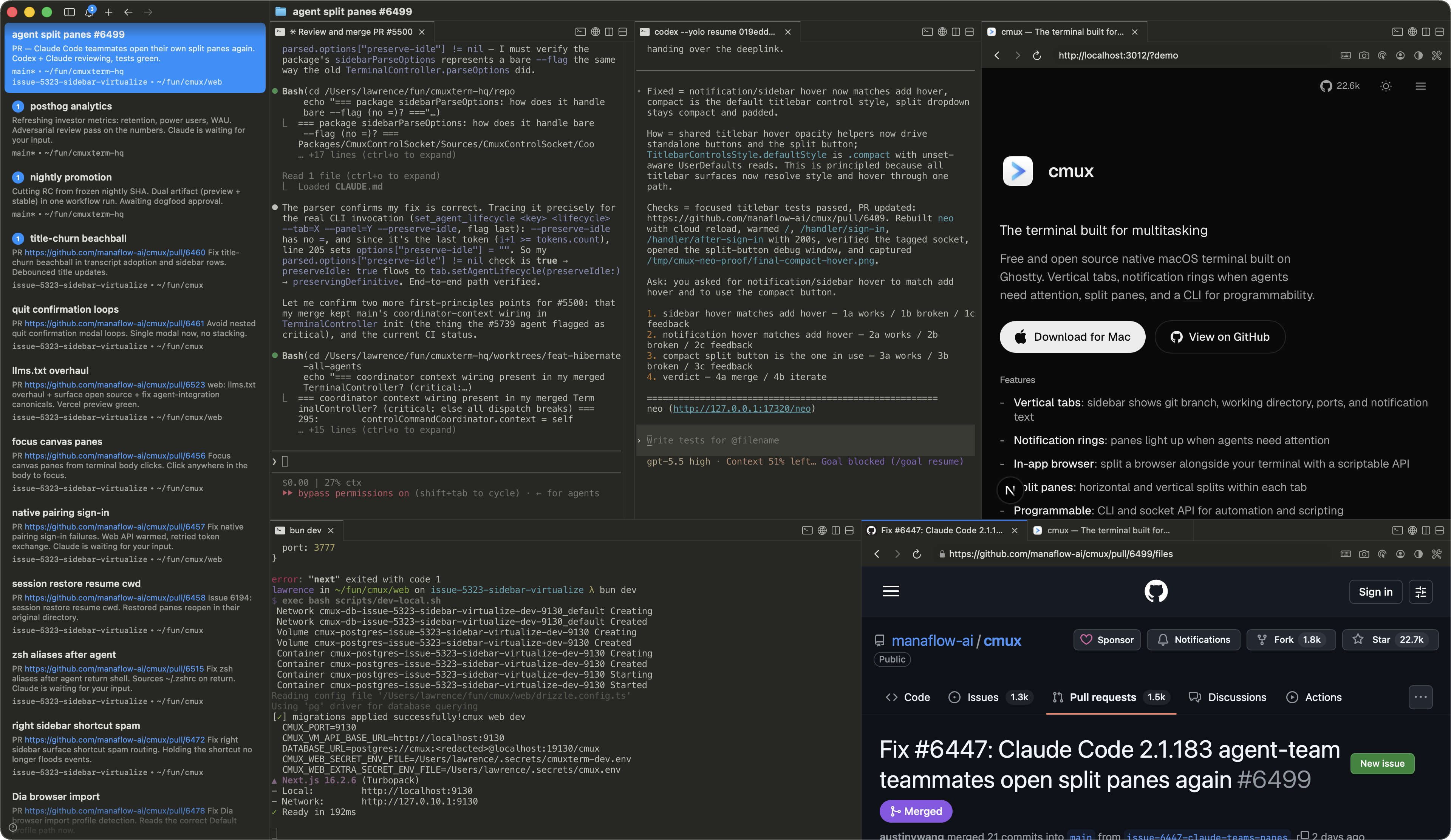
Ditch Electron Bloat: Supercharge macOS Terminals with cmux for Multi-Agent Workflows
Built in Swift and AppKit, the native macOS terminal cmux solves context loss and multi-agent chaos in Claude Code workflows through sidebar metadata, OSC notification rings, and a scriptable browser.
Deconstructing Directus (3.8W+ Stars): Transforming Arbitrary SQL Databases into High-Throughput Headless CMS Instantly
An engineering deep-dive into Directus (3.8W+ Stars), exposing how its dynamic data abstraction layer bypasses traditional ORM migration bottlenecks to instantly map relational databases into high-performance GraphQL and RESTful API engines.
Breaking 9.5k+ Stars: Rewriting OSINT Reconnaissance with Flowsint
Flowsint, an open-source OSINT graph exploration tool with 9.5k+ stars, redefines reconnaissance. This article analyzes its decoupled microservice architecture and provides a production deployment guide.
Deep Dive into SpiderFoot: Engineering 200+ Modules for Automated Open Source Intelligence
SpiderFoot automates open-source intelligence gathering using 200+ modules and a publisher-subscriber model, eliminating manual reconnaissance bottlenecks. This article examines its core architecture, data pipelines, trade-offs, and production deployment.
Deep Dive: Microsoft MarkItDown — The Missing Multi-Modal Document Pipeline for LLMs
Microsoft's MarkItDown converts PDFs, Office files, audio, and images into clean Markdown pipelines for LLMs. This deep dive inspects its architecture, dependency trees, and OCR plugin patterns.
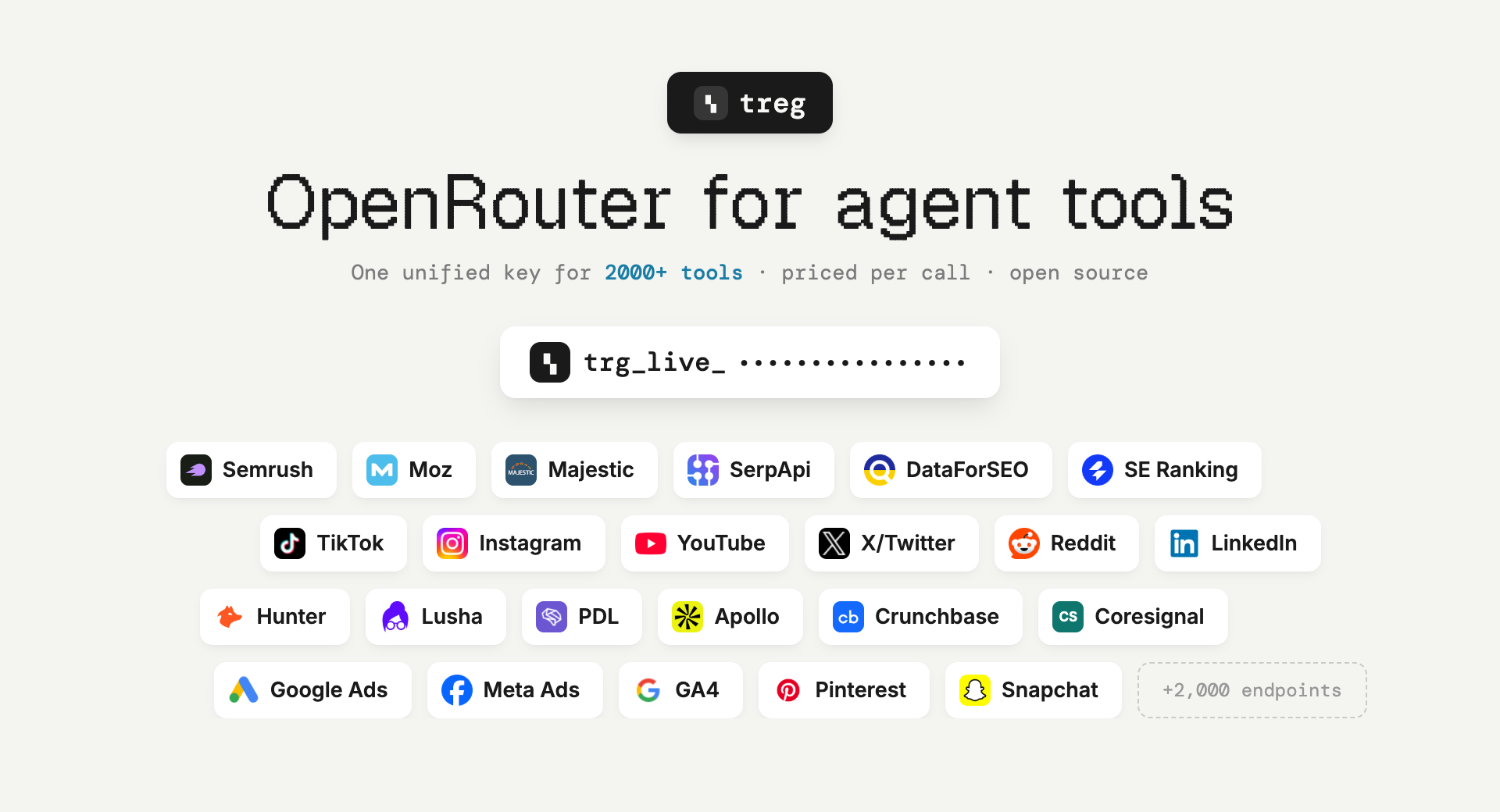
OpenRouter for Agent Tools: How treg Bypasses Subscriptions with a Single Base URL
An architectural breakdown of treg, which applies the OpenRouter aggregation model to agent tools. By handling server-side credential injection and micro-billing per call, it eliminates enterprise API subscriptions, enabling agents to query thousands of endpoints using a single token.
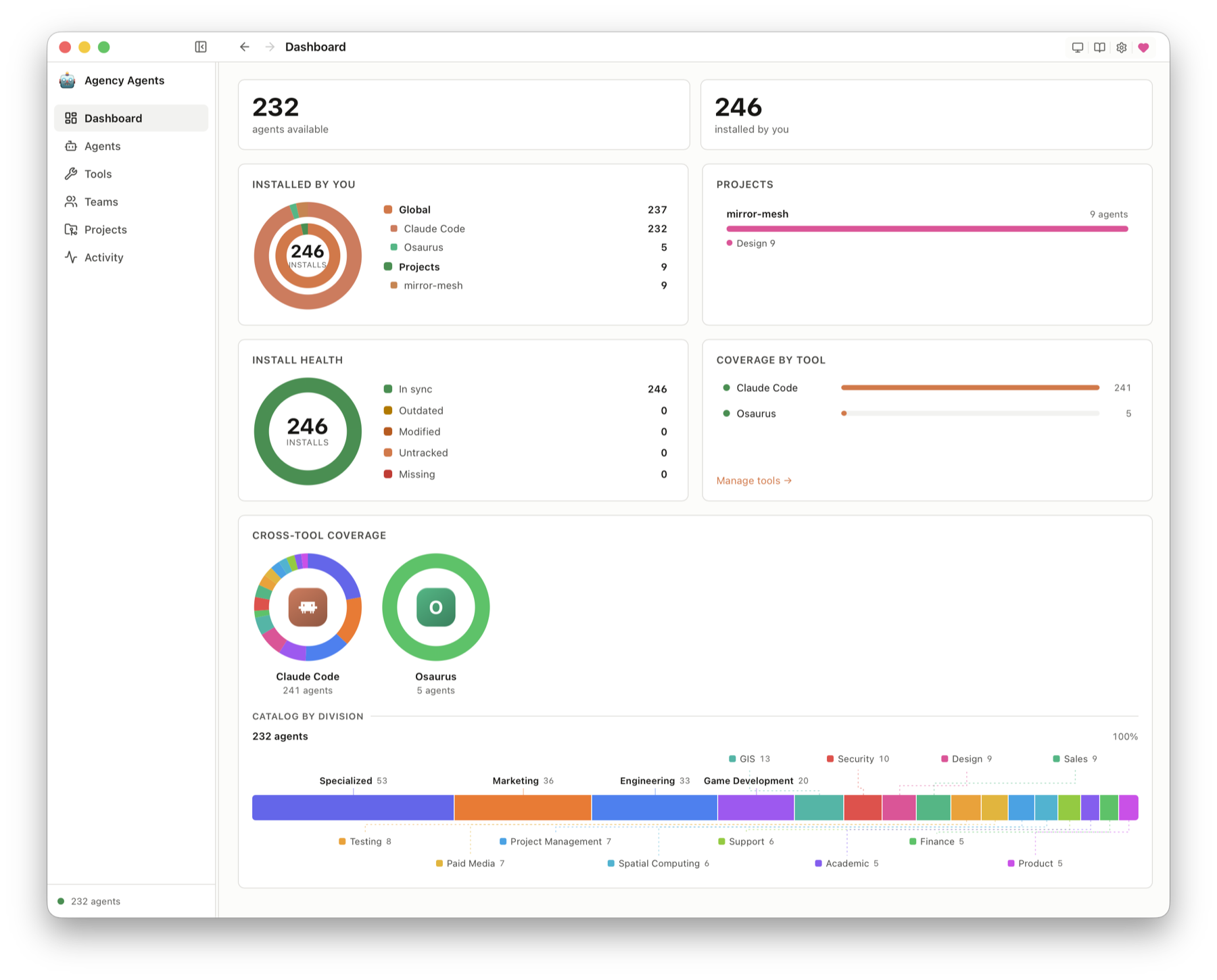
Deep Dive into Agency Agents App: Ending Multi-Tool Agent Config Hell with Local State Ledgers
Full-stack developers switching between Claude Code, Cursor, and Gemini CLI constantly maintain fragmented agent persona configurations. The open-source project agency-agents-app builds a local desktop client using Tauri 2, implementing cross-tool agent lifecycle management via byte-level reconciliation and immutable ledgers.

Rapid-MLX Deep Dive: Pushing Apple Silicon Local LLM Inference to 4x Throughput Limits
Rapid-MLX, an open-source LLM inference server tailored for Apple Silicon, achieves up to 4x throughput gains over traditional mlx-lm via native MLX engines and speculative decoding, while solving reliable tool calling for coding agents.
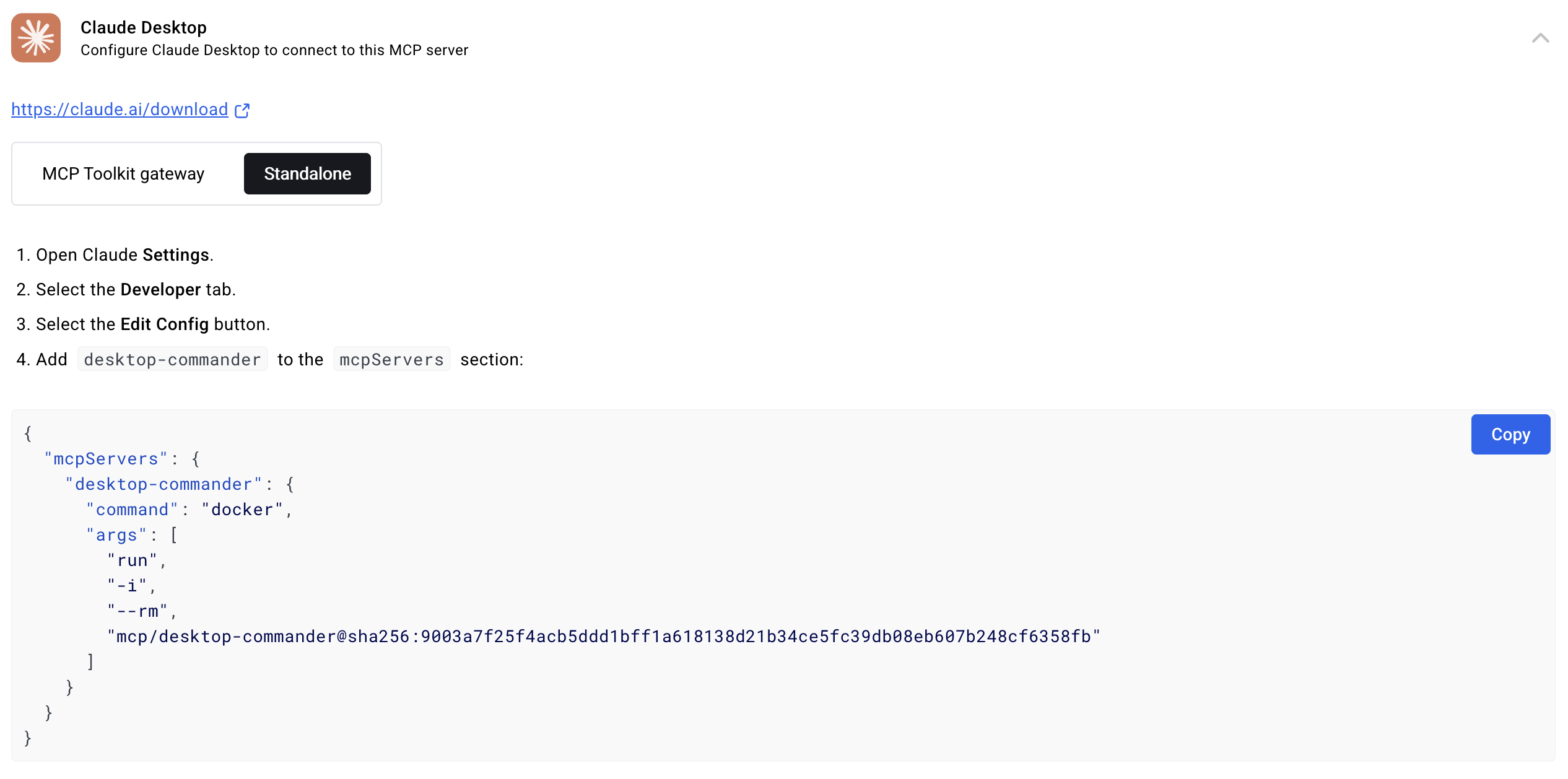
Deep Dive into Desktop Commander MCP: Bypassing API Token Traps and Controlling Local Files and Terminals Directly via Host Clients
Desktop Commander MCP, surging past 9.9k+ stars on GitHub, injects file operations, terminal execution, and multi-format document parsing directly into Claude Desktop via Model Context Protocol, eliminating exorbitant cloud API token costs while enabling full local engineering automation.
Beyond Blind Approval: How Plannotator Re-engineers the Human-in-the-Loop Review Plane for Coding Agents
AI coding agents generate massive architectural plans and multi-file diffs inside the terminal, yet developers are stuck blind-approving raw text streams. Plannotator solves this ergonomic crisis by injecting a local, multi-agent review surface that maps rich markdown, diffs, and HTML artifacts directly back into agent context buffers.
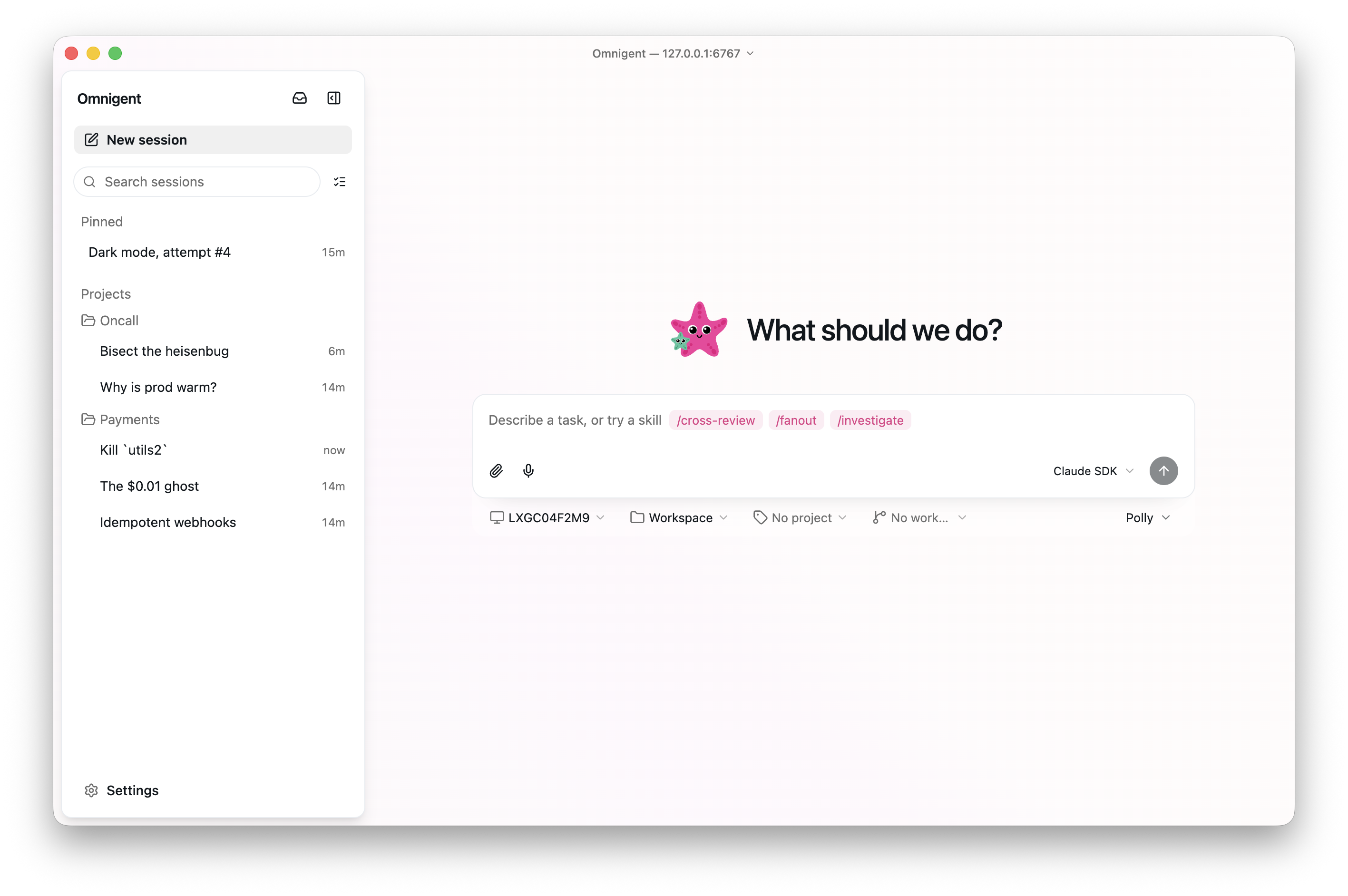
Omnigent Deep Dive: Ending Single-Agent Silos with a Cross-Device Meta-Harness
Omnigent tackles the fragmented AI agent ecosystem by introducing an open-source meta-harness. This guide breaks down its orchestration layer, sandboxing strategies, and cross-device sync mechanisms with production-ready code.
Explore Topic Hubs & Complete Archive
All 50+ articles categorized for bookmarking, structured search, and deep reading.