Practical AI, Deconstructed.
Curated by musen (@musen9527) · Verified Primary Sources · Deep & Actionable
StarNet Deep Dive: Managing Multi-Agent Workflows Through a Pixel-Art Space Station
StarNet breaks the interaction limits of traditional AI chat boxes by providing a local-first desktop harness. It maps station rooms to capability-scoped agent teams and hallways to authorized handoff lanes, delivering real model calls, real tools, and real cost ledgers.
Read Review
StarNet Deep Dive: Managing Multi-Agent Workflows Through a Pixel-Art Space Station
StarNet breaks the interaction limits of traditional AI chat boxes by providing a local-first desktop harness. It maps station rooms to capability-scoped agent teams and hallways to authorized handoff lanes, delivering real model calls, real tools, and real cost ledgers.
Firebase Apple SDK Open Source Evolution: CocoaPods Countdown and On-Device AI Logic
A deep dive into the modular open-source design of firebase-ios-sdk, the CocoaPods sunset timeline in October 2026, and on-device Gemini foundation model integration on Apple platforms.
Garry Tan's Open Source Software Factory: How gstack Transforms Claude Code into a Virtual Engineering Team
YC President Garry Tan opens sources gstack, turning Claude Code into a standard virtual engineering team via 23 specialized slash commands and automated toolchains.
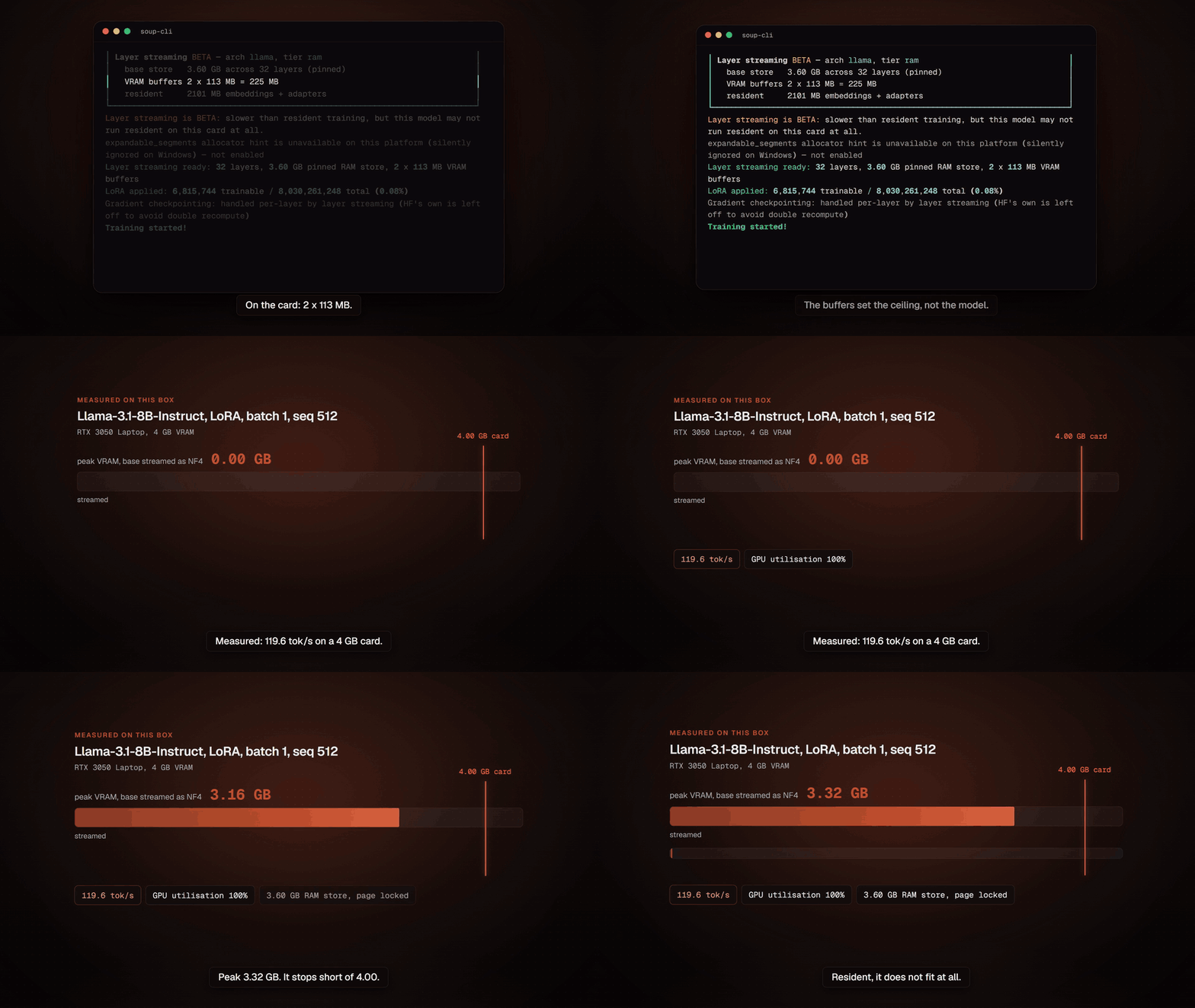
Kill Config Hell: How Soup Enables LLM Fine-Tuning on Consumer GPUs Without SSH
Soup eliminates the infrastructure tax of LLM training via single-file YAML configs and layer streaming, enabling 8B model fine-tuning on 4GB VRAM hardware at production throughput.
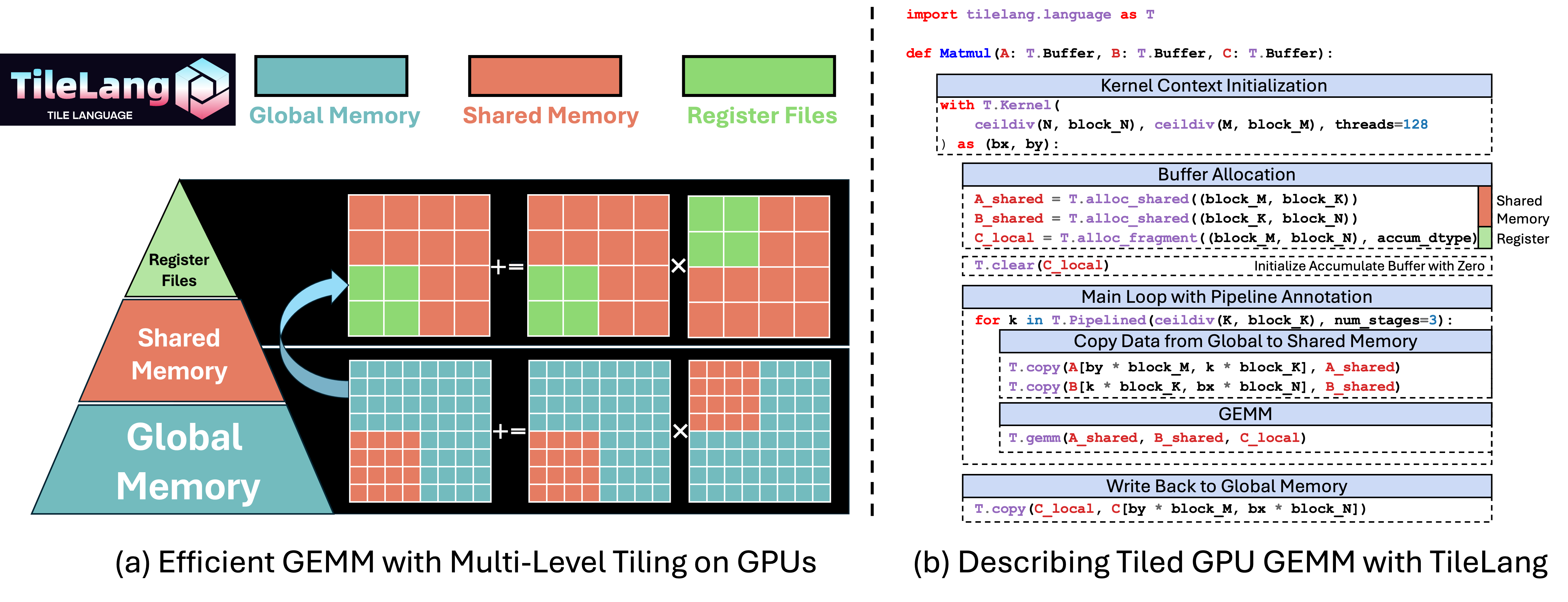
Beyond Hand-Written CUDA: Inside TileLang's Multi-Backend Tile Compiler Architecture
Kernel engineering has long suffered from brittle hand-written CUDA C++ and high multi-vendor migration costs. TileLang bridges high-level productivity and peak hardware efficiency by introducing a tile-first domain-specific language over TVM TIRX, spanning NVIDIA Blackwell, AMD CDNA, Apple Silicon, and Ascend 950. This guide breaks down its compilation pipeline, TMA lower trace, and production deployment gotchas.
Inside Cursor Plugins: Architecting Production Multi-Agent Systems, High-Signal Memory, and Thermos Branch Audits
Cursor has open-sourced its official cursor/plugins repository, establishing .cursor-plugin/plugin.json as the universal manifest for agentic developer tools. This teardown deconstructs its runtime execution model, transcript-driven AGENTS.md memory distillation, and thermo-nuclear branch review workflows for production engineering teams.
Breaking the M×N Tooling Bottleneck: Deep Dive into Model Context Protocol (MCP) Architecture and Reference Implementations
The chaotic M×N integration matrix between LLMs and external systems is converging toward the Model Context Protocol (MCP). This article dissects the IPC communication topology, capability dispatching mechanism, and production readiness of official MCP reference servers, offering concrete configs and zero-fluff engineering guidance.
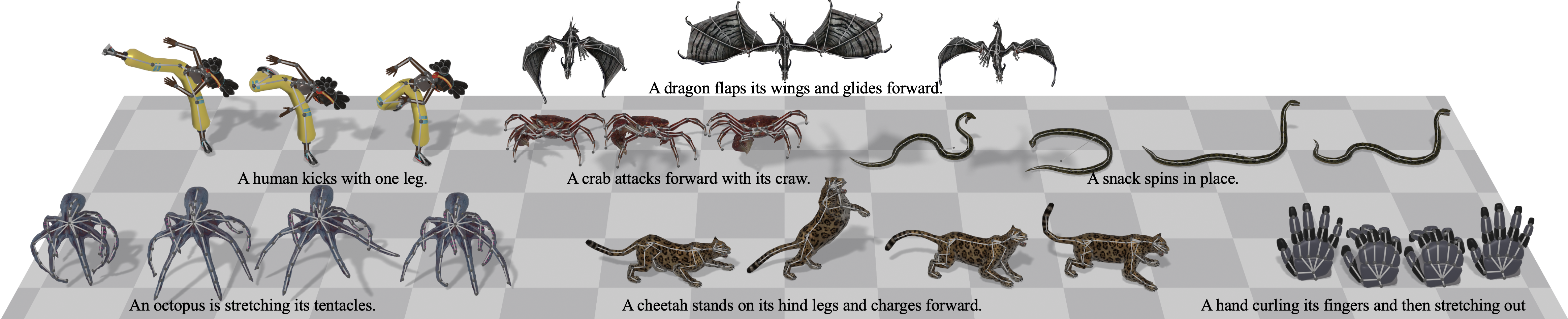
UniMate: Unified Cross-Topology Motion Synthesis Over Heterogeneous Skeletons
Traditional 3D motion synthesis relies on fixed humanoid kinematic trees, failing on arbitrary animal or mechanical topologies. UniMate breaks this limitation with the UniML3D dataset and a factorized spatio-temporal graph-attention architecture, animating diverse skeletons from bipeds to articulated robotics within a unified weights checkpoint.
Deconstructing earendil-works/pi: An Uncompromising, Self-Extensible Coding Agent Harness
Most modern coding agents are glued together with brittle dependencies and monolithic abstractions. earendil-works/pi re-engineers the coding agent harness using a modular multi-package runtime, aggressive npm supply-chain hardening, and decoupled sandbox isolation. This teardown explores its architectural topology, build mechanisms, and operational gotchas.
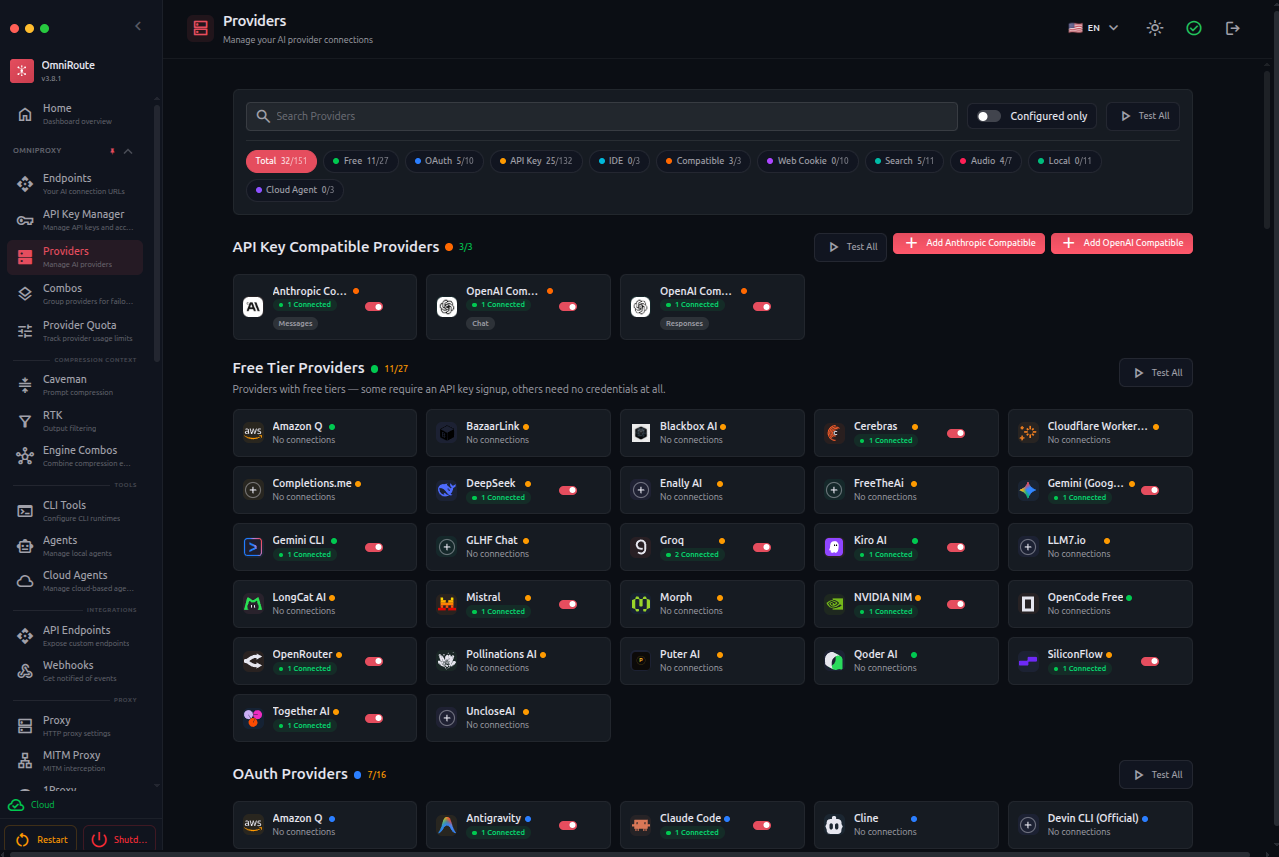
OmniRoute Deep Dive: Tapping 358 AI Providers and 1.62B Free Monthly Tokens via Unified Gateway Architecture
OmniRoute aggregates 358 LLM providers and 150+ free tiers into a single drop-in endpoint, delivering up to ~1.62B free monthly tokens via quota-aware routing and RTK + Caveman stacked compression. This technical breakdown explores its pool-deduplicated routing topology, 89% average context reduction pipeline, and practical production deployment strategies.
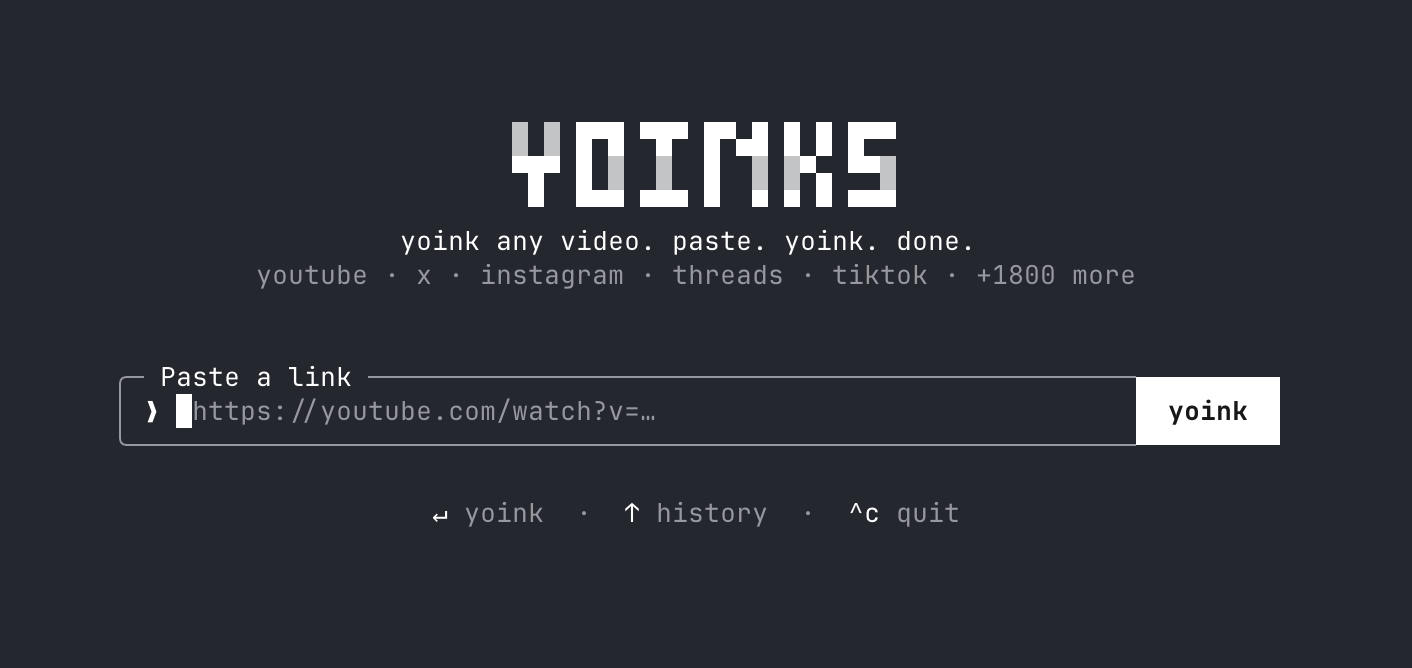
Terminating CLI Stream Friction: Pablo Stanley's yoinks and the Rebirth of Terminal Media Pipelines
Video extraction has long been polarized between ad-infested web parsers and byzantine yt-dlp flag syntax. Pablo Stanley's yoinks bridges this gap by marrying Ink-driven declarative TUI with automated binary orchestration across 1,800+ platforms. This architectural review dissects its subprocess orchestration, terminal buffer lifecycle, and FFmpeg multiplexing pipeline.
Deep Dive into obra/superpowers: Forcing Strict Engineering Methodology on Coding Agents
Coding agents frequently write buggy code without tests. obra/superpowers enforces strict software development methodologies, requiring precise specs, tests, and execution plans before writing code.
Explore Topic Hubs & Complete Archive
All 50+ articles categorized for bookmarking, structured search, and deep reading.